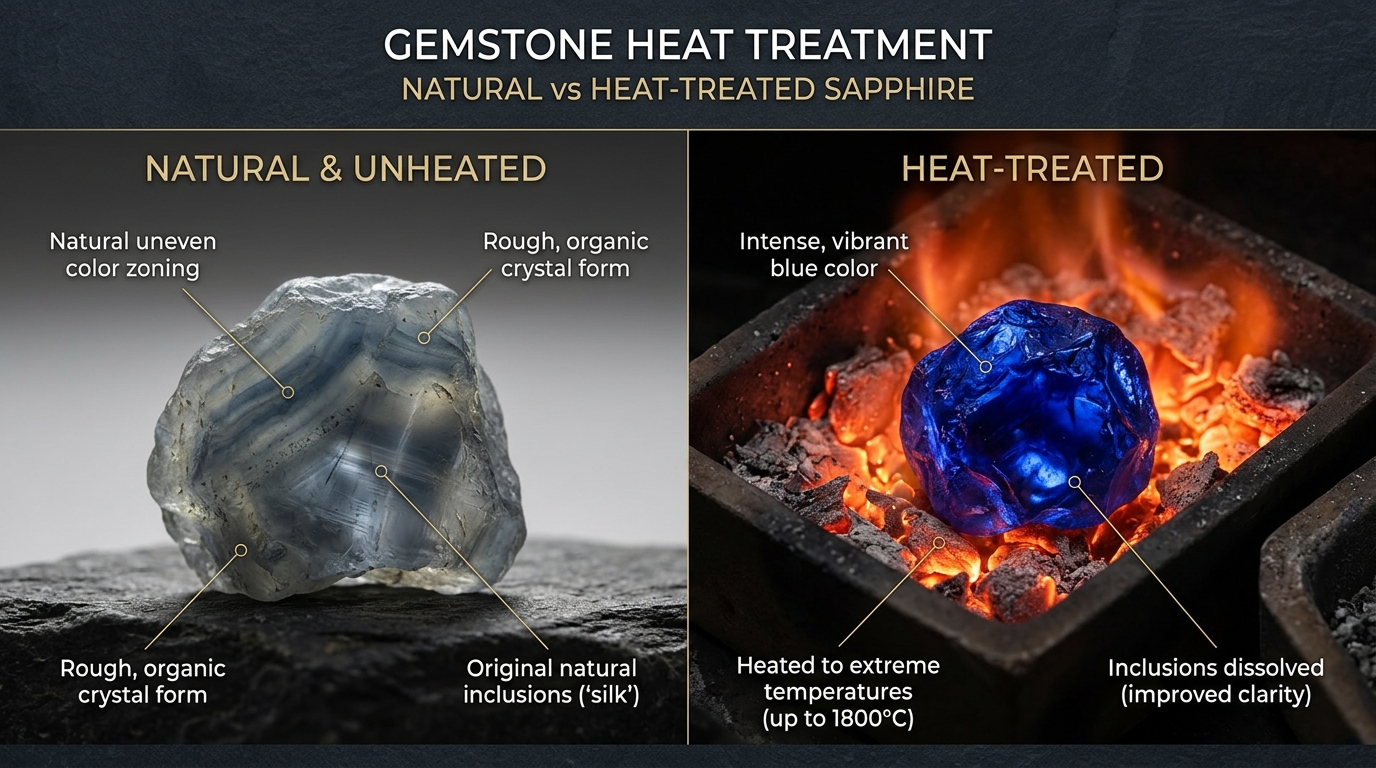
Heated sapphires and rubies have undergone high-temperature treatment to improve color and clarity, making them more affordable. Unheated stones are naturally beautiful and much rarer, which significantly increases their investment value. Always check the gemstone treatment disclosure codes—N (No treatment), H (Heated), and F (Fracture-filled)—before purchasing.
Introduction
When you walk into a high-end jewelry store or browse an auction catalog, you will often see the terms “unheated” and “heated” used to describe sapphires and rubies. To the untrained eye, these gemstones look identical. However, their price tags can differ by thousands or even hundreds of thousands of dollars. The truth lies in how the stone was treated after it was pulled from the earth. Understanding the difference between heated and unheated gemstones is the most important step you can take before investing in colored stones. Whether you are a collector, a jewelry lover, or someone looking for a valuable family heirloom, knowing the treatment disclosure codes and why they matter will protect your wallet and help you make a wise investment.
What Does "Heated" and "Unheated" Actually Mean?
In the gemstone world, "heated" (also known as thermal treatment) means the rough stone was subjected to extreme temperatures—often between 800°C and 1,800°C—before being cut and polished. This is done to simulate the natural geological conditions that create the most beautiful gemstones. Heating can improve a sapphire's blue color, remove unwanted silky inclusions, or transform a milky ruby into a vivid red. It is a permanent and stable treatment. An unheated gemstone, by contrast, is a stone that has achieved its stunning color and clarity purely through natural geological processes. No human intervention was used to alter its color. Because nature rarely produces perfect stones, unheated gemstones are incredibly rare and highly sought after by collectors.
The Truth About "Investment Value" in Heated vs. Unheated Gems
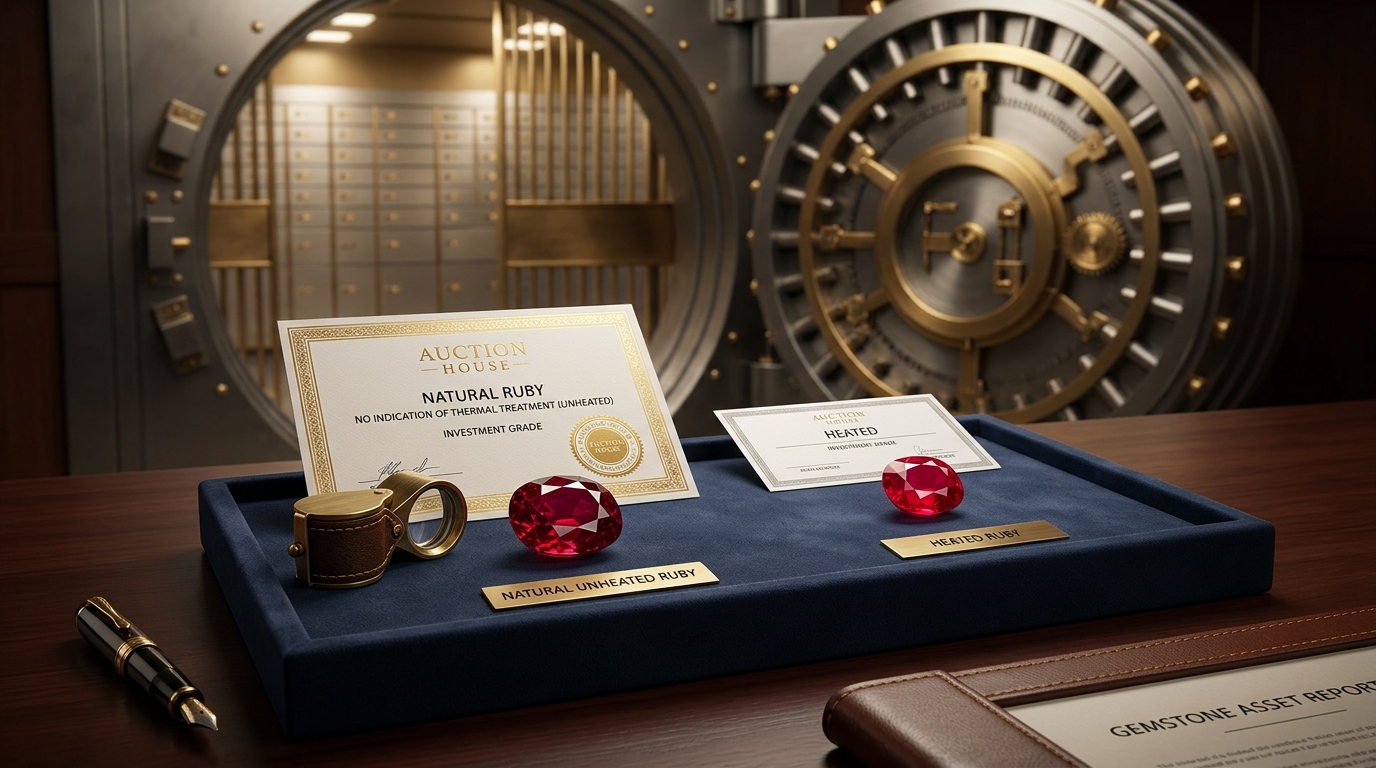
If you are buying a ruby or sapphire as an investment, the distinction between heated and unheated is critical. Unheated gemstones have a significantly higher investment value. Because they are so rare—less than 1% of sapphires mined are completely untreated—they hold their value and often appreciate over time. Auction houses like Sotheby's and Christie's reserve their top estimates for unheated stones. If you are buying a gemstone to preserve wealth, an unheated stone is the only way to go. Heated gemstones are beautiful, accessible, and perfectly fine for daily wear, but they generally do not hold value as an investment. They are priced at a fraction of the cost of unheated stones and are subject to market fluctuations. A heated ruby might cost $1,000 per carat, while a similar unheated ruby could cost $15,000 per carat.
The Language of Gemstone Treatment Disclosure Codes
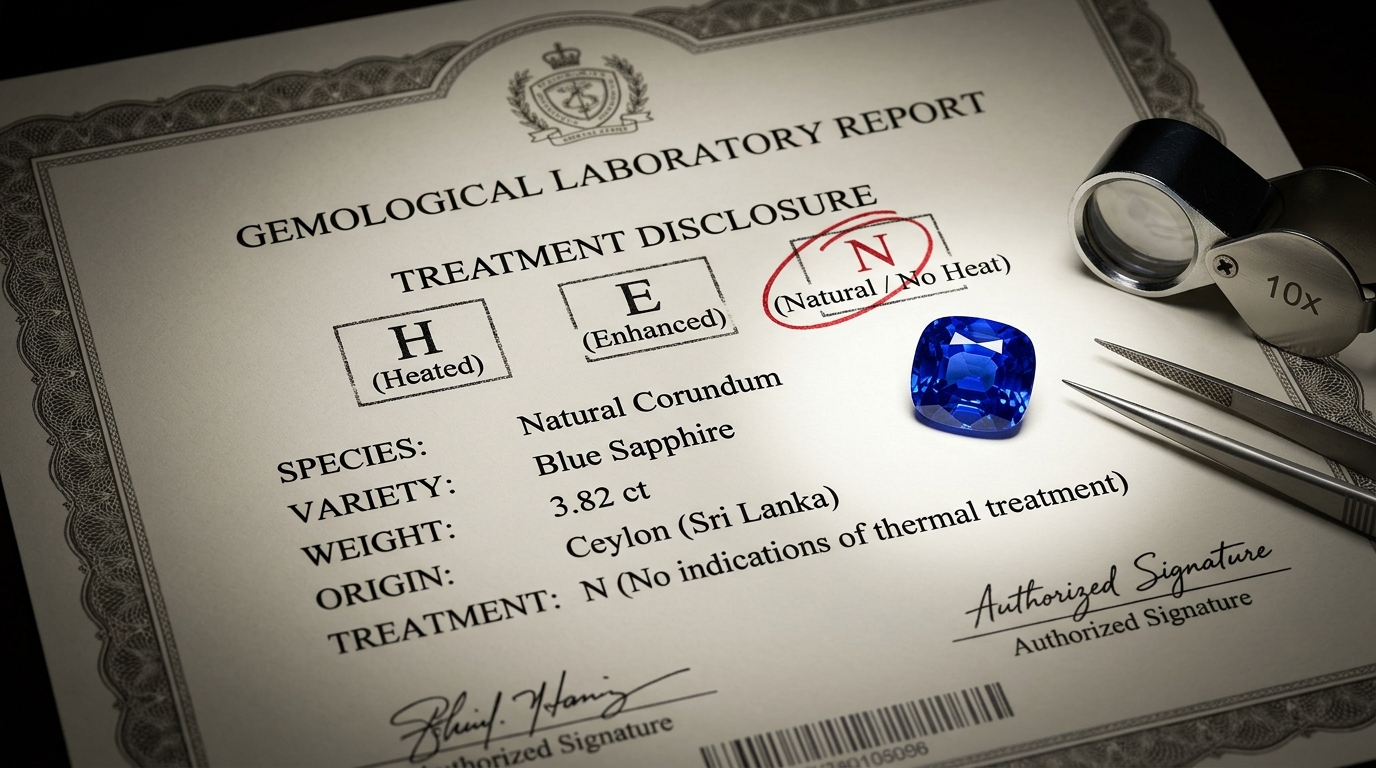
Because treatments can drastically affect the value of a gemstone, major gemological laboratories (like GIA, AGL, SSEF, and Gübelin) use standardized disclosure codes on their reports. You must understand these codes before buying. N (No Treatment): This is the golden standard. The gemstone has no evidence of thermal or chemical treatment. It is 100% natural. These are the most valuable stones on the market. H (Heated): The stone has been subjected to heat treatment. The report usually specifies whether it is simple heating (H) or heating with residues (H(a), H(b), etc.). This is the most common treatment for sapphires and rubies. F (Fracture-Filled): This treatment is common in lower-quality rubies. It involves filling surface-reaching fractures with a glass or lead-based substance to improve clarity. These stones are very inexpensive and should never be treated as investments. They are also delicate and require special care during cleaning. Some reports may also show "E" (enhanced) or "T" (treated), but N, H, and F are the three most important codes you will encounter.
Why Treatment Disclosure is Essential for Investment Value
The gemstone market relies entirely on trust. If a seller markets a stone as "natural" without disclosing that it has been heated or fracture-filled, they are committing fraud. Disclosure protects you in three ways: Accurate Pricing: You should never pay unheated prices for a heated stone. Disclosure ensures you are paying the fair market value. Care Requirements: Fracture-filled stones require special care and cannot be cleaned in ultrasonic cleaners. Heated stones are generally stable, but disclosure tells you how to maintain your jewelry. Resale Value: If you ever try to sell your gemstone, a reputable buyer will demand the original lab report. Without a clear disclosure of treatment, your stone will have little to no resale value.
Ethical Sourcing and Geographic Origin
While heat treatment is a standard industry practice, the ethical issues around colored stones usually concern where they came from. A heated stone from a conflict zone is no better than an unheated one. You should look for disclosures that include geographic origin (e.g., Ceylon, Burmese, Madagascar) and confirmation of ethical mining practices. Some laboratories offer a "Provenance" report. When buying, ask the jeweler for proof of origin alongside the treatment disclosure. Ethical sourcing ensures your investment doesn't fund armed conflict or unsafe labor.
How to Read a Lab Report Before You Buy
A certificate from a respected lab—GIA, AGL, or Gübelin—is your only guarantee of truth. When you look at the report: Check the Origin: Does it say "Natural Sapphire" or "Natural Ruby"? If it says "Synthetic" or "Lab-grown," it has no investment value. Read the Treatment Code: Look for the letters N, H, or F. Ensure the report states clearly: "No indications of heating" for unheated stones. Look for the Lab's Name: A certificate from a local jeweler means nothing. Only trust internationally recognized gemological labs. Match the Certificate: The report's dimensions, weight, and color grading must match the physical stone you are holding. If a seller cannot provide a lab report for a stone over $2,000, walk away. The investment risk is simply too high.
Final Takeaway
Heated and unheated rubies and sapphires both have their place in the world. Heated stones are beautiful, durable, and affordable, making them perfect for everyday jewelry. But if you are looking for a store of value—a true investment—you must insist on a completely unheated stone with a full treatment disclosure report from a major gemological laboratory.
Questions Readers Often Ask
What does "No indications of heating" mean on a gemstone report?
It means the gemstone has been examined by a professional gemological laboratory and found to have no evidence of thermal treatment. This is often denoted by the letter "N" and indicates the stone has achieved its color naturally. These stones are significantly rarer and more valuable than heated ones.
Is a heated ruby less valuable than an unheated ruby?
Yes, significantly. While heated rubies are beautiful and durable, they are abundant. Unheated rubies are exceptionally rare and highly sought after by collectors. A heated ruby can cost a fraction of the price of an unheated ruby of the same color and carat weight, and heated stones generally do not appreciate in value like unheated stones do.
What does the "F" code mean on a gemstone disclosure?
The "F" code stands for Fracture-Filled. This means the stone had surface-reaching fractures that were filled with a glass or lead-based substance to improve clarity. This treatment is common in lower-grade rubies, makes the stone more fragile, and drastically reduces its value. Fracture-filled stones are not suitable for investment and require careful handling.
Featured Products

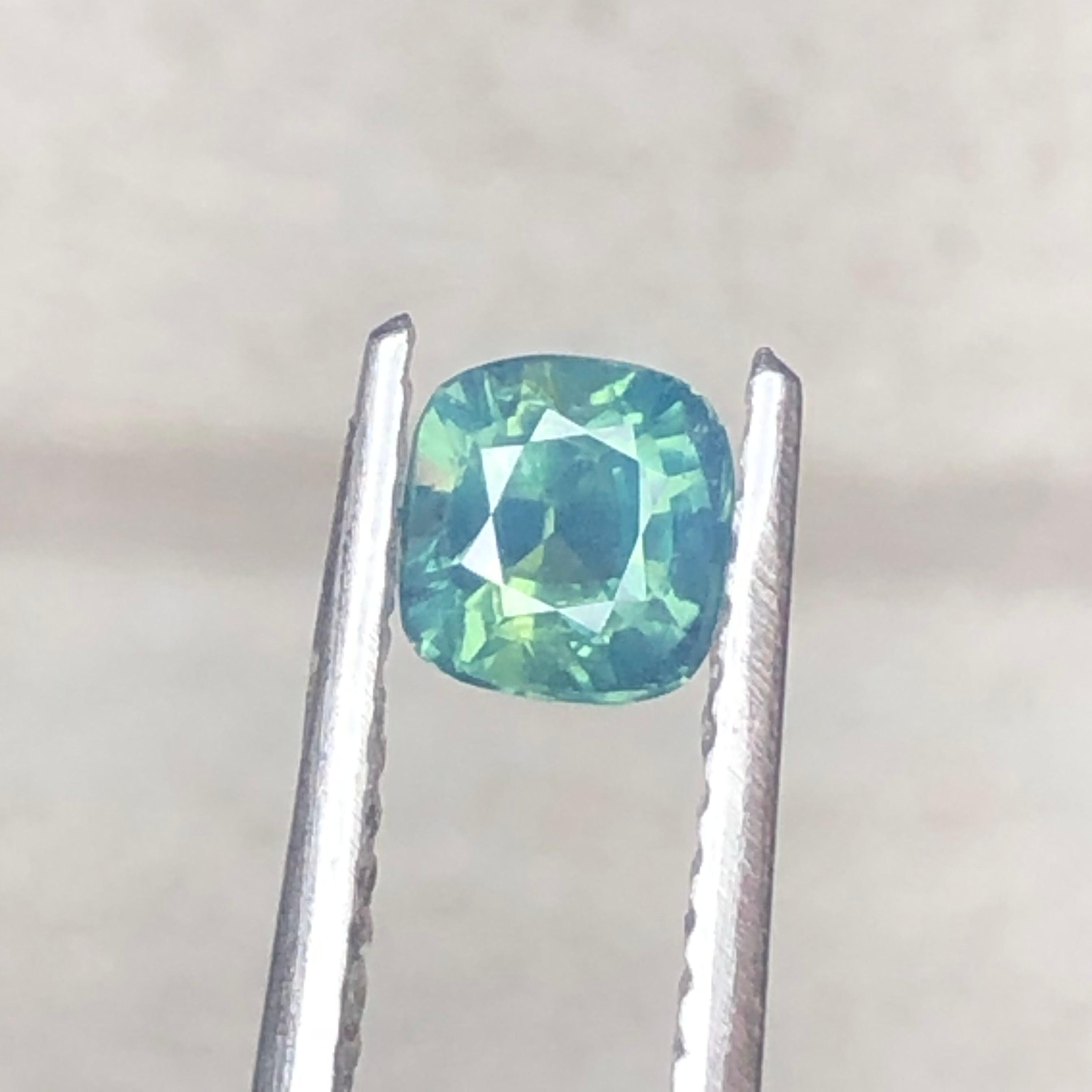
Interested in our gemstones?
View Our Collection →Have a stone you want to check yourself?
Use our free gemology tools to identify, weigh, and care for gemstones.
Explore Free Gemstone Tools →