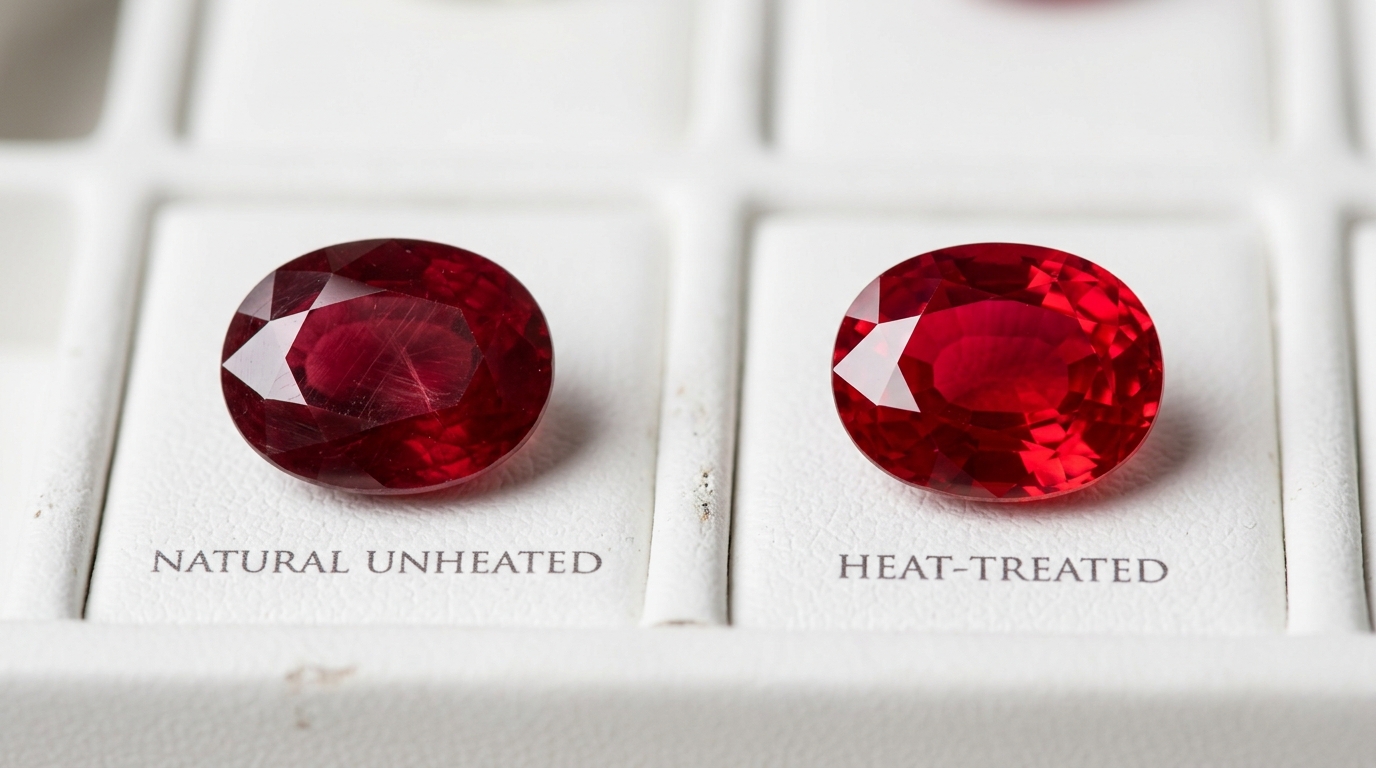
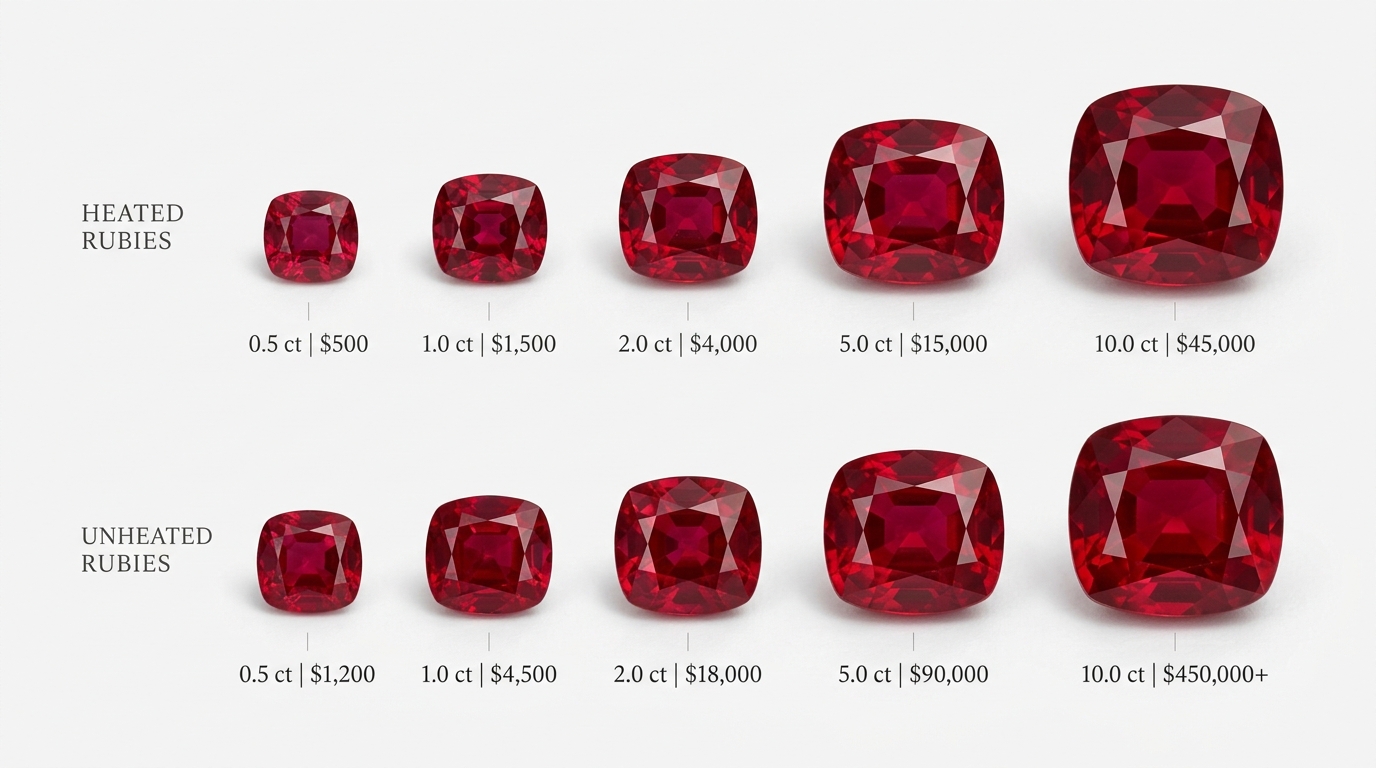
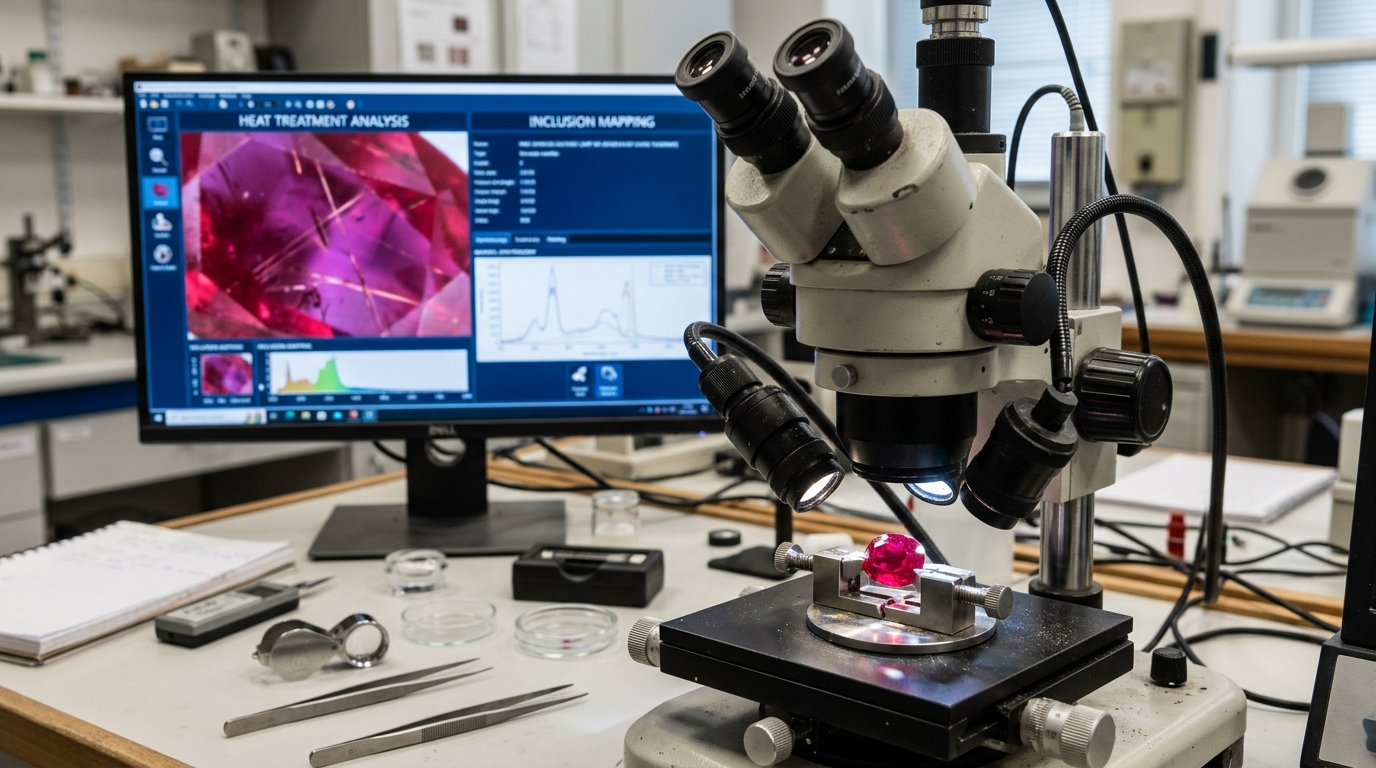
Most rubies on the market get heat treated. Sellers heat the stones to make the color richer and reduce visible inclusions. This is a normal, accepted practice that has been used for a long time. Unheated rubies stay exactly as nature made them. Good color and clarity without any heat is rare, so these stones cost more. The price difference can range from 50 percent higher to two or three times more, and sometimes even higher for the best stones from places like Burma. A fine heated ruby still looks beautiful and works well for everyday jewelry. An unheated one appeals more to collectors who want something pure and scarce. Always ask for a lab report from a trusted place like GIA or GRS. The report will clearly say if the ruby shows signs of heating or not. That one detail decides a big part of the price. Origin, color, size, and clarity still matter a lot, but the heat status often creates the biggest jump in cost between two similar-looking stones.
What Heat Treatment Does to a Ruby
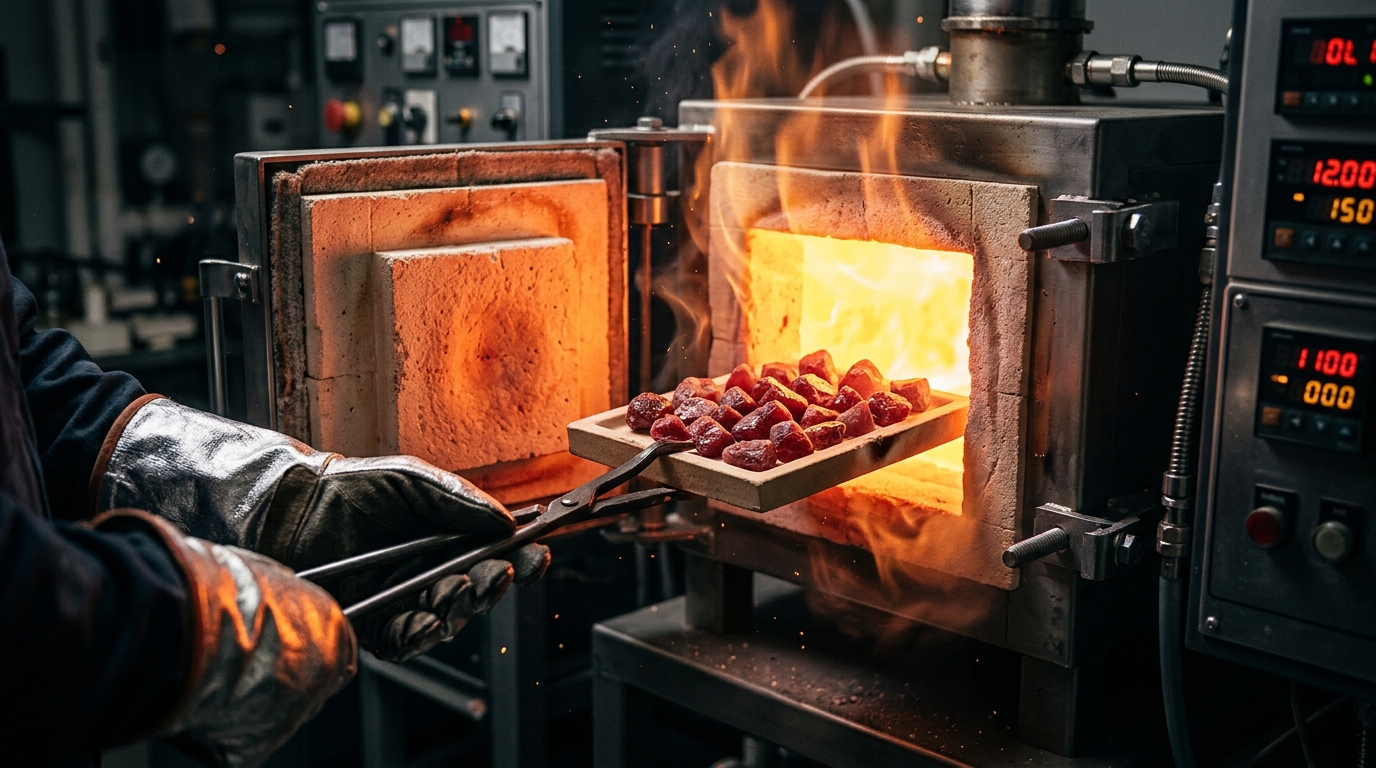
Heat treatment means the ruby is carefully heated to high temperatures. This process improves the color so it looks more vivid red and can make some internal flaws less noticeable. Almost every fine ruby sold today has been heated this way. The change is permanent and stable. Jewelers and labs accept it as long as it is disclosed. Without heat, many stones would look duller or more included and would not sell as easily. Heat does not turn a weak stone into a top one, but it does help average material reach a better look that people want to buy.
Why Unheated Rubies Cost More
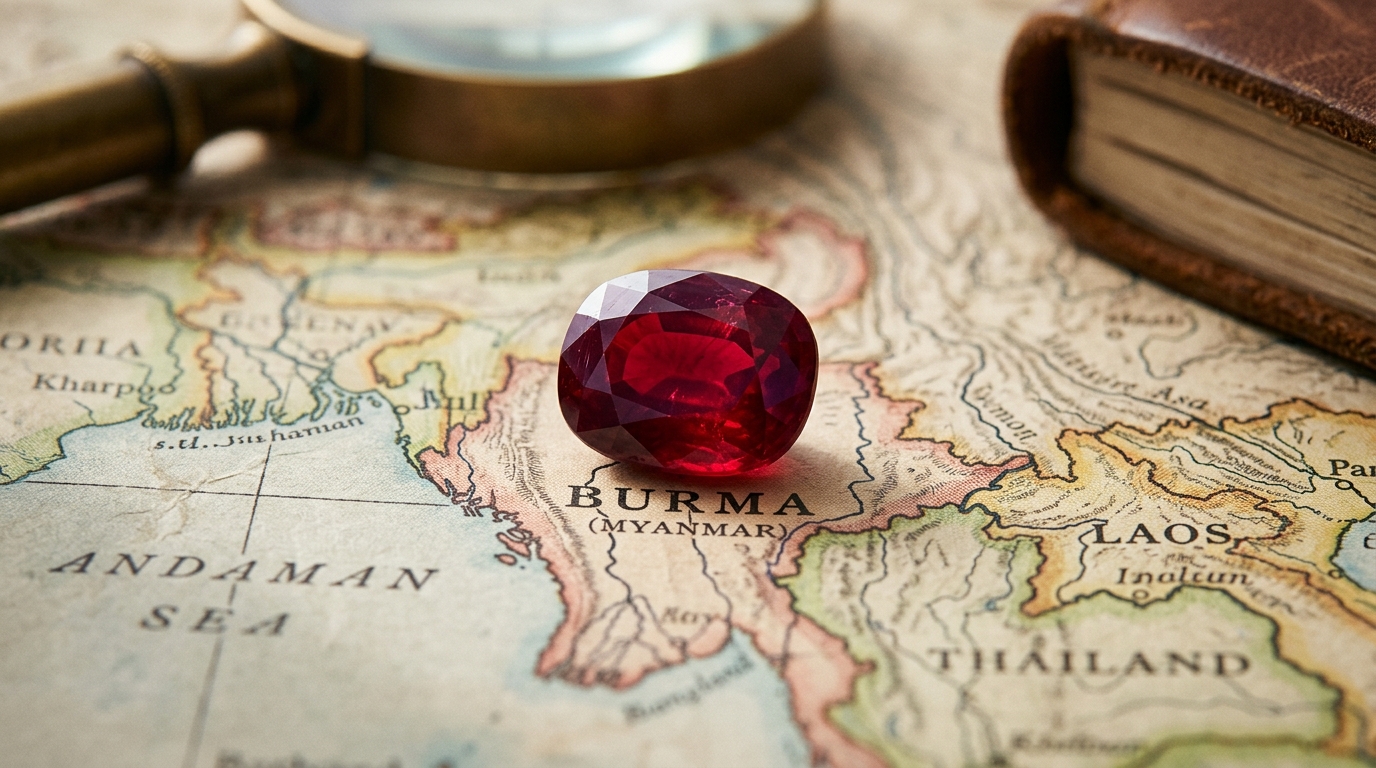
Unheated rubies are simply rarer. Nature rarely produces a stone with strong red color and good clarity without any help. When a lab report says “no indications of heating,” that rarity adds real value. For similar color and size, an unheated ruby often sells for 50 to 100 percent more than a heated one. Top Burmese pigeon-blood stones can go much higher, sometimes several times the price of a heated match. Bigger stones over two or three carats show an even larger gap because clean unheated material in those sizes is hard to find. Collectors and investors pay the extra money for the pure natural state and the limited supply.
Other Factors That Affect the Price Gap
Origin plays a big role. Burmese rubies usually bring higher prices than Mozambique ones, heated or not. Color grade matters too. A vivid pure red commands more than a pinkish or brownish tone. Clarity and cut also move the number. A lab certificate is essential because you cannot always tell by eye alone if a stone has been heated. Glass-filled rubies are a different story. They cost far less and are not in the same category as normal heated stones. Always check the report carefully so you know exactly what you are buying.
Conclusion
The real price difference between unheated and heated rubies comes down to rarity. Heat treatment is common and accepted, and it makes beautiful stones available at more reachable prices. Unheated stones cost more because good ones without treatment are scarce. Both can be excellent choices depending on your budget and goals. If you want natural purity and long-term collector value, go for a certified unheated ruby. If you want strong color and good looks without the top premium, a heated one works fine. Get a proper lab report every time, compare quality carefully, and buy from a seller you trust. That way you pay the right price for what you actually get.
Questions Readers Often Ask
Is a heated ruby less valuable than an unheated one?
Yes, when color, clarity, size, and origin are the same. The unheated stone is rarer, so it carries a higher price. A heated ruby can still be beautiful and worth owning, just at a lower cost.
How can I know if a ruby is heated or unheated?
Look at the lab report. Trusted labs write “indications of heating” or “no indications of heating.” You usually cannot tell for sure just by looking with the naked eye.
Should I always buy unheated if I can afford it?
Not necessarily. Unheated is better for collectors and investment because of rarity. For everyday jewelry where looks matter most, a good heated ruby often gives better value for the money.
Interested in our gemstones?
View Our Collection →Have a stone you want to check yourself?
Use our free gemology tools to identify, weigh, and care for gemstones.
Explore Free Gemstone Tools →