 New
New
Other · N/A
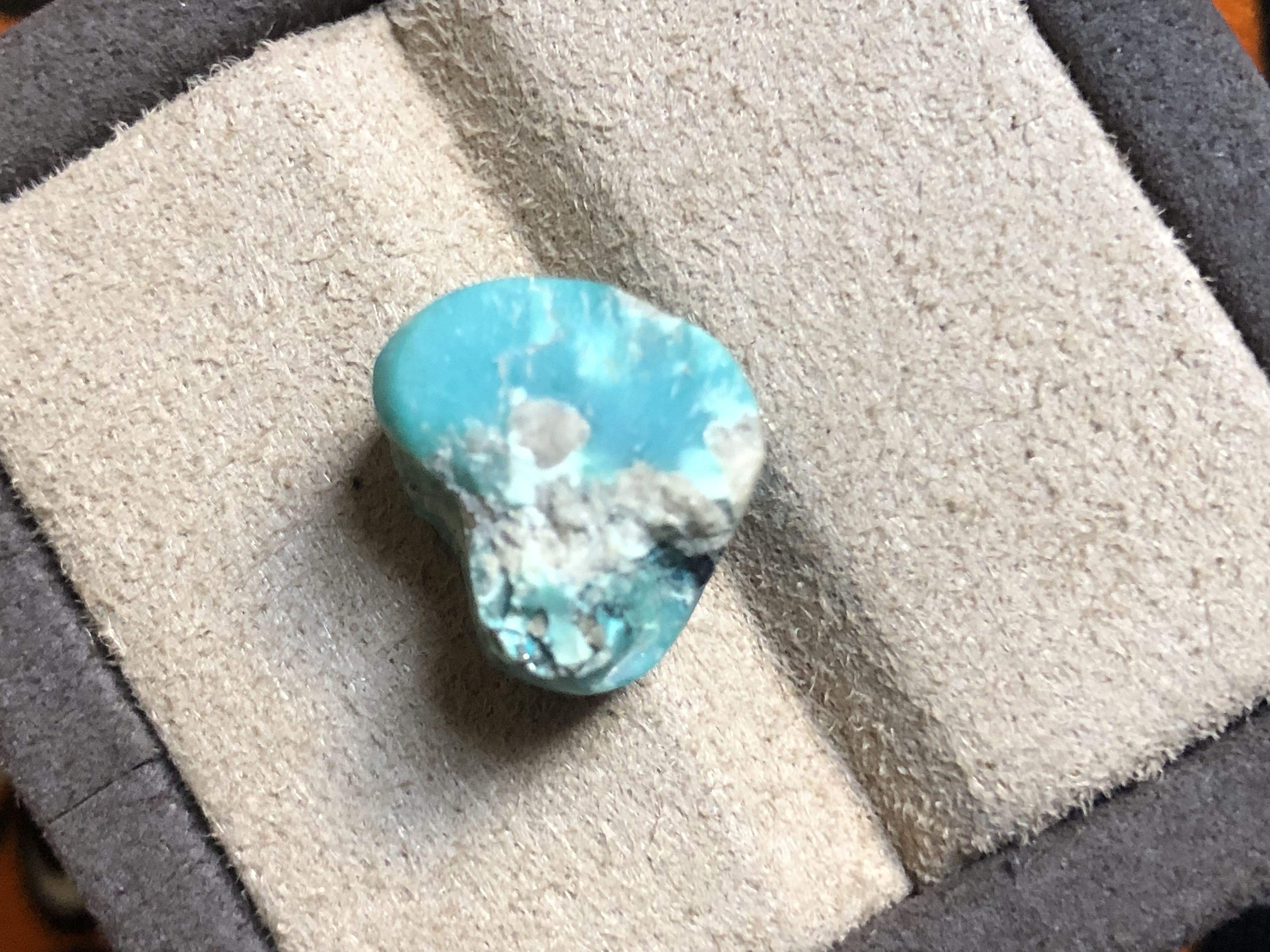
Natural 13 Carat Turquoise Heart Stone Guide: How to Evaluate, Buy, Style, and Care for This Rare Gem
$150.00
In Stock — Physical Gemstone — Ships Worldwide
🔖 Verify This Certificate 💬 Purchase via WhatsAppPhysical gemstone · Shipped via courier · Shipping cost calculated by destination
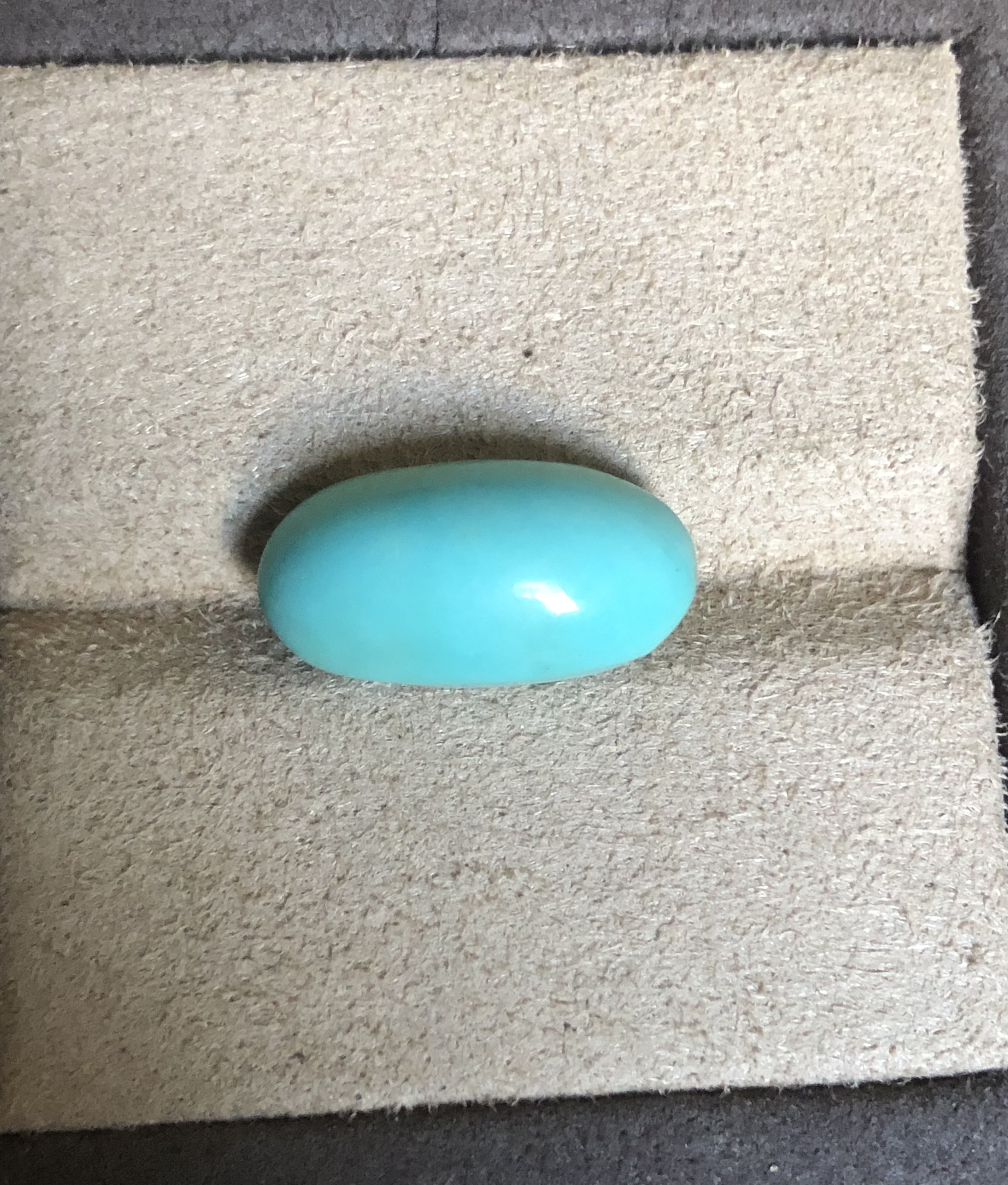
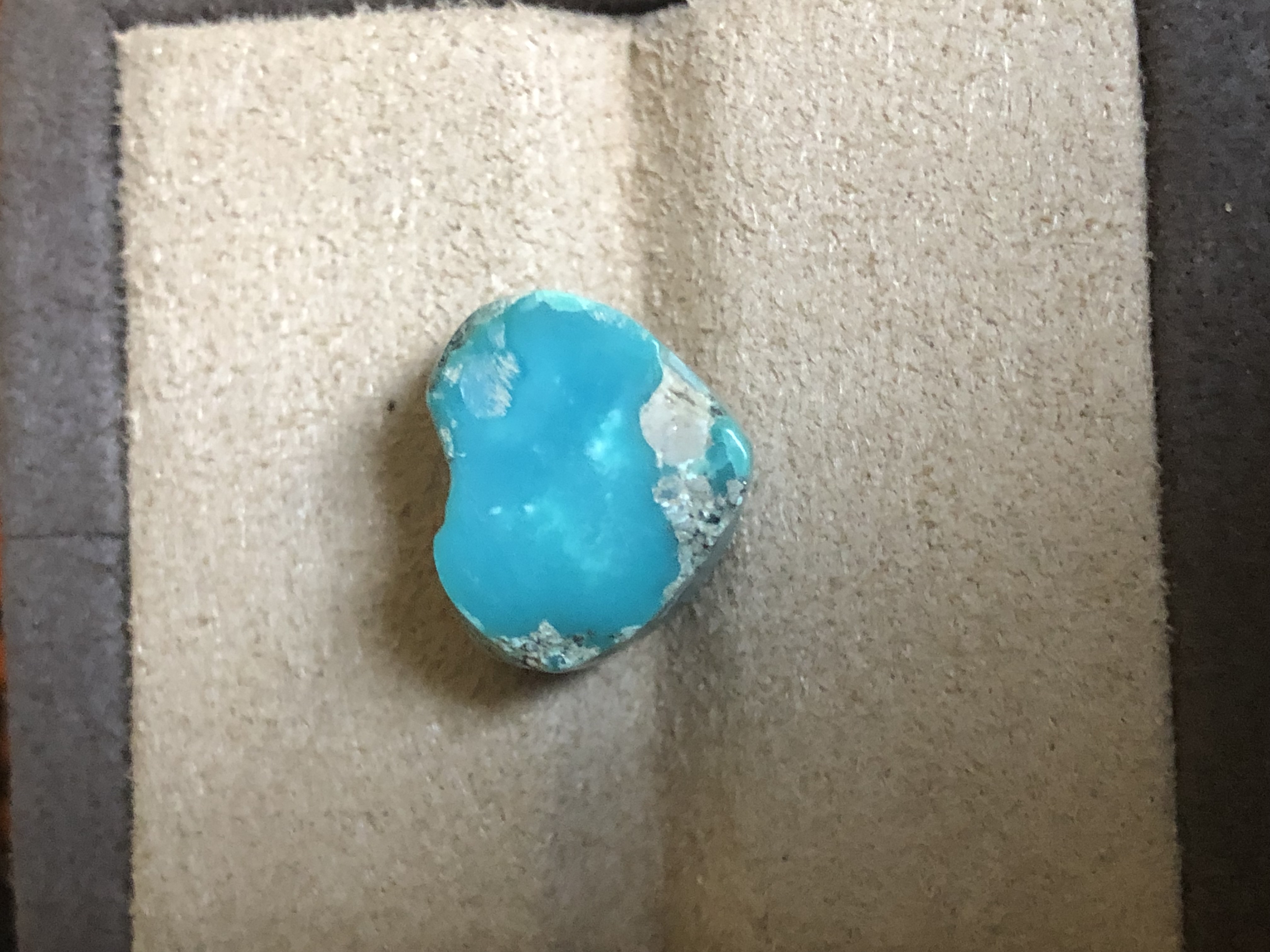
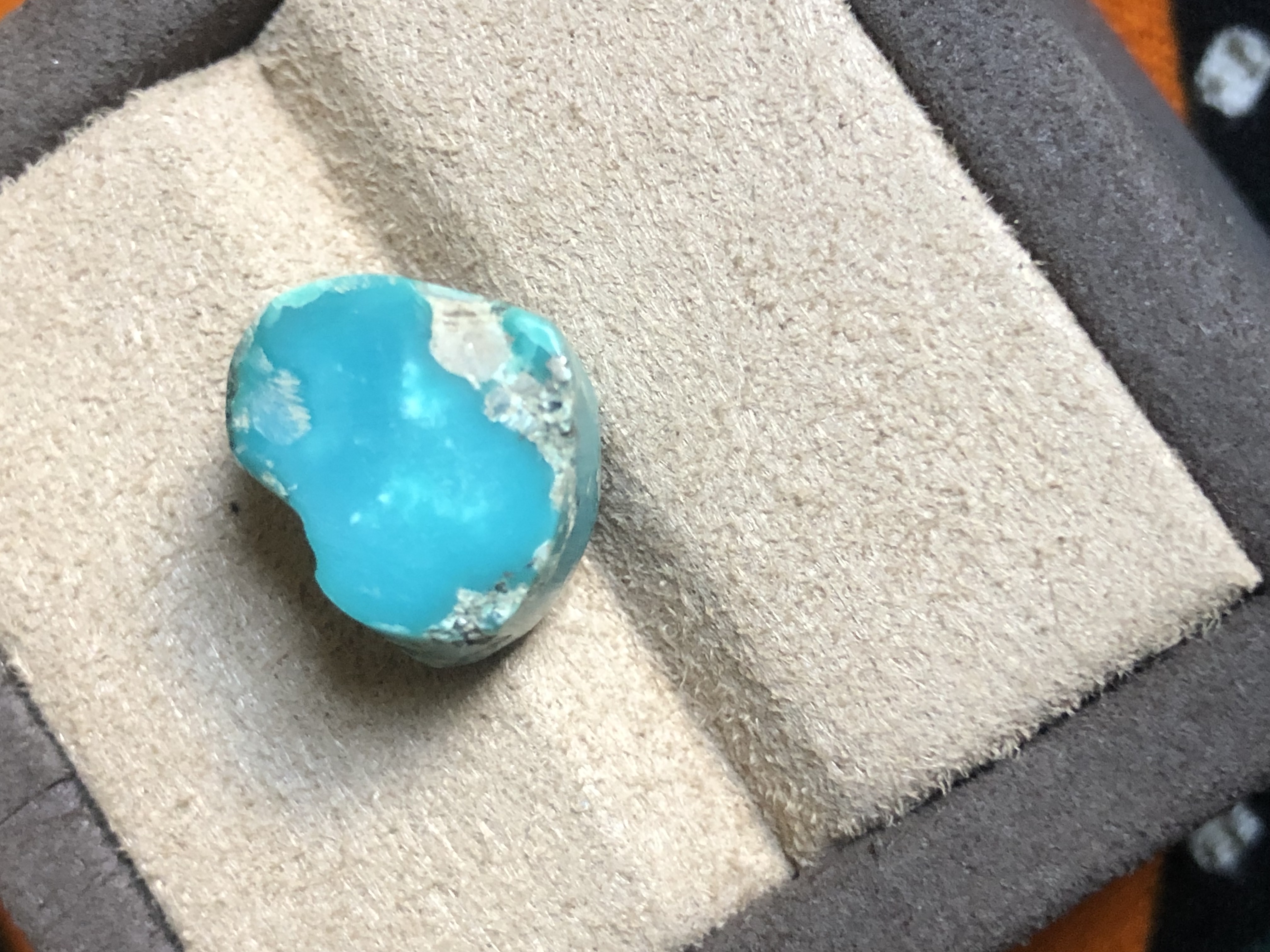
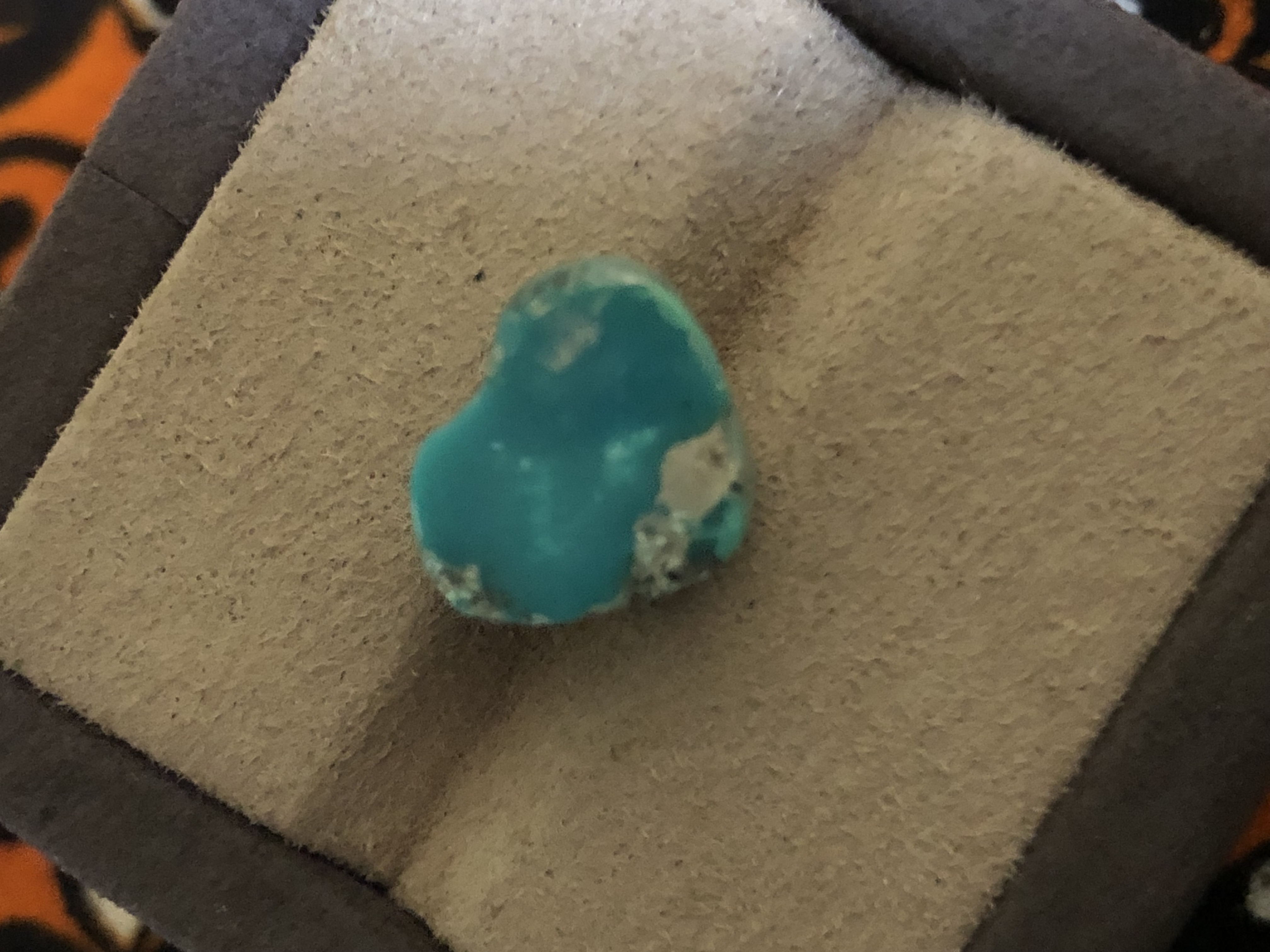
A natural 13 carat turquoise heart is a bold, one-of-a-kind gemstone prized for its sky-blue to blue-green hue and earthy matrix patterns. Cut into a romantic heart shape, it’s ideal for statement pendants, rings, or collectors’ pieces—each stone unique, untreated, and full of organic character.
Natural 13 Carat Turquoise Heart: A Complete Guide to This One-of-a-Kind Gemstone There’s something almost magnetic about turquoise. It’s one of the oldest gemstones humans have ever admired, worn, and fought over—and yet it still feels fresh, modern, and deeply personal. When you take that ancient stone and cut it into a 13 carat heart, you get something rare: a gem that carries both history and romance in the palm of your hand. This guide walks you through everything you’d want to know about a natural 13 carat turquoise heart, from what “natural” really means to how to style, care for, and evaluate one. What Does “Natural” Mean in Turquoise? Before anything else, let’s clear up a word that gets tossed around a lot in the gem world: natural. In turquoise, “natural” means the stone has not been treated with dyes, resins, stabilizers, or reconstitution. It’s exactly what came out of the earth—cut and polished, yes, but not chemically altered to change its color or durability. That matters because a huge portion of turquoise on the market is stabilized or treated. Stabilization involves injecting a resin into softer, chalky turquoise to harden it so it can be cut and worn. It’s not a scam—it’s a legitimate practice—but it’s not the same as natural. Natural turquoise is rarer, more valuable, and more sensitive. It also tends to have a look that treated stones can’t quite replicate: subtle depth, natural matrix, and color variation that shifts with the light. A natural 13 carat turquoise heart is, therefore, a collector’s piece. Thirteen carats is a substantial size—roughly the weight of a small grape—so finding one in natural, untreated condition is genuinely uncommon. Why 13 Carats Matters Carat weight in turquoise isn’t just about size; it’s about rarity. Turquoise forms in thin veins and nuggets, so large, clean pieces are harder to come by than small ones. A 13 carat stone gives a jeweler enough material to cut a generous heart with real presence—big enough to be the centerpiece of a pendant or a bold ring, but not so large that it becomes impractical to wear. Thirteen carats also hits a sweet spot for collectors. It’s heavy enough to feel significant in the hand, yet it’s still wearable. Many people reserve stones over 20 carats for display, but a 13 carat heart can genuinely be worn and enjoyed. The Heart Shape: Romance Meets Craftsmanship Heart-shaped gemstones are tricky to cut well. The shape requires symmetry, a clean outline, and a smooth dome (if it’s a cabochon) or precise facets (rare in turquoise, since most turquoise is cut en cabochon). A well-cut heart should have two balanced lobes, a crisp point, and a pleasing curve that doesn’t look lopsided. Turquoise is usually cut into cabochons—smooth, rounded stones without facets—because the stone is opaque and its beauty comes from color and matrix rather than sparkle. A heart-shaped turquoise cabochon is a lovely marriage of form and material: the soft, organic stone shaped into a symbol of love. Because turquoise is relatively soft (5 to 6 on the Mohs scale), a heart cut needs to be handled with care. Sharp points can chip, so a well-made heart will often have a slightly rounded point or a bezel setting that protects the edges. Color: The Soul of the Stone Turquoise color ranges from pale sky blue to deep robin’s egg blue, and from seafoam green to olive green. The most prized shade is often called “Persian blue”—a pure, bright, medium blue with no green undertone. But beauty is subjective, and many collectors adore the greenish blues and even the deeper greens for their earthy, Southwestern feel. A natural 13 carat heart will almost always show some color variation. That’s a good sign. Uniform, flat color can indicate dyeing. Natural turquoise often has subtle shifts—lighter areas, darker patches, and a richness that seems to glow from within. Matrix: The Fingerprint of Authenticity Matrix is the web of veins, lines, and patterns that runs through turquoise. It’s formed when host rock (like limonite, iron oxide, or sandstone) mixes with the turquoise during formation. Matrix can be black, brown, golden, or reddish, and it creates some of the most striking patterns in the gem world. Some famous matrix patterns include: Spiderweb: Fine, even lines that create a web-like effect. Highly prized, especially from the Kingman mine in Arizona. Bird’s eye: Small, rounded patches of matrix surrounded by turquoise. Water web: A delicate, rippling pattern that looks like water. Black web: Bold black lines, often seen in Persian and Egyptian turquoise. For a heart-shaped stone, matrix can either enhance or distract. A symmetrical heart with a balanced matrix pattern is a joy. A heart where the matrix cuts awkwardly across the lobes can look less refined. That’s why cutters often study a rough stone carefully before deciding on the final shape. Origin: Where Does It Come From? Natural turquoise is found in many places: the American Southwest (Arizona, New Mexico, Nevada), Iran (Persian turquoise), Egypt, China, Mexico, and Tibet, among others. Each region tends to have a signature look. Persian (Iranian) turquoise: Often pure blue with little or no matrix. Extremely prized. Sleeping Beauty (Arizona): Famous for solid, clear blue with almost no matrix. The mine is now closed, making it highly collectible. Kingman (Arizona): Known for beautiful matrix and a range of blues. Number 8 (Nevada): A classic American turquoise with spiderweb patterns. Chinese turquoise: Often greener, with darker matrix. If you’re buying a natural 13 carat heart, ask about origin. It affects value, and it’s part of the stone’s story. How to Evaluate a Natural 13 Carat Turquoise Heart Here’s a quick checklist: Color: Even, saturated, and pleasing to you. Blue is traditionally most valuable, but green can be stunning. Matrix: Attractive, balanced, and not overly fractured. Some matrix is expected; too much can weaken the stone. Cut: Symmetrical lobes, smooth dome, no flat spots or dull areas. Polish: High, even shine. A good polish makes the color pop. Treatments: Confirm it’s natural. Ask for disclosure in writing. Size and weight: Verify the carat weight. 13 carats should feel substantial. Origin: If known, it adds provenance and value. Condition: No cracks, chips, or pits. A heart point should be intact. Setting and Styling Ideas A 13 carat heart is a statement. Here are some ways to wear it: Pendant: A bezel-set heart on a leather cord or silver chain is classic and casual. For something dressier, a diamond halo or gold bail elevates it. Ring: A bold statement ring with a wide band and protective bezel. Best for occasional wear, since turquoise is soft. Brooch or pin: A heart brooch is vintage and charming. Bolo tie: A Southwestern staple—turquoise heart bolo slides are iconic. Collector’s display: Many people keep large natural turquoise in a display case, appreciating it as art. Pair turquoise with silver for a Southwestern vibe, or with gold for a warmer, more luxurious look. It also plays beautifully with coral, lapis, and opal. Care and Cleaning Natural turquoise is porous and sensitive. Keep it away from: Harsh chemicals, perfumes, and lotions Ultrasonic cleaners and steam cleaners Prolonged sunlight (which can fade color) Hot water and sudden temperature changes Clean with a soft, damp cloth and mild soap if needed. Dry thoroughly. Store separately to avoid scratches. If you wear it often, consider a protective bezel setting. Value: What Affects Price? A natural 13 carat turquoise heart can range from a few hundred dollars to several thousand, depending on: Color purity and saturation Matrix pattern and appeal Origin and mine Cut quality Natural vs. treated Market demand Rare origins like Sleeping Beauty or high-grade Persian turquoise command premiums. Spiderweb matrix from Kingman is also highly sought after. A well-cut, natural, 13 carat heart with great color and matrix is a genuine collector’s item. Why People Love It Turquoise has been worn for thousands of years—by Egyptian pharaohs, Native American tribes, Persian royalty, and modern bohemians. It’s a stone of protection, communication, and calm. A heart shape adds love and emotion. Together, a natural 13 carat turquoise heart is more than jewelry; it’s a personal talisman. Whether you’re a collector, a jewelry designer, or someone looking for a meaningful gift, this stone offers beauty, rarity, and story. It’s the kind of piece that gets noticed—and remembered.
Stone Details
| Origin | N/A |
| Color | Blue |
| Treatment | No Dyed No Color |
| Shape / Cut | Heart Shape |
| Weight | 13 Caret |
| Clarity | Opaque |
| Certificate | On demand |
Verify It Yourself
Have your own RI or weight measurements for this stone? Cross-check them with our free gemology tools:
🔍 Gemstone Identifier (RI & Birefringence) →
⚖️ Specific Gravity Calculator →
🧪 Care & Hardness Lookup for This Stone Type →
Questions Buyers Often Ask
Q: Is a natural 13 carat turquoise heart better than a stabilized one?
A: Not necessarily “better,” but different. Natural turquoise is rarer, untreated, and more valuable to collectors. Stabilized turquoise is more durable and affordable, making it better for everyday wear. If you want authenticity and collectibility, go natural. If you want a worry-free piece you can wear daily, stabilized may suit you better.
Q: How can I tell if a 13 carat turquoise heart is truly natural?
A: Look for subtle color variation, natural matrix patterns, and a slightly porous surface under magnification. Treatments can be hard to detect visually, so buy from a reputable dealer who discloses treatments in writing. A gemological lab report can confirm natural status if you need certainty.
Q: Can I wear a natural turquoise heart ring every day?
A: You can, but it’s risky. Turquoise ranks 5–6 on the Mohs scale, so it scratches and chips more easily than harder gems like diamond or sapphire. A protective bezel setting helps, but for daily wear, consider a pendant or brooch instead—or save the ring for special occasions.
Purchase Options
📱 Order via WhatsApp 💳 Pay via JazzCash — 0334-1656292 💚 Pay via Easypaisa — 0334-1656292 🌐 Pay via Payoneer — har2003@gmail.comYou May Also Like